

Asbestos contamination presents serious health risks and significant legal liabilities for property owners across residential and commercial buildings. This naturally occurring mineral fiber was widely used in construction materials from the 1940s through the 1980s, creating potential exposure hazards in millions of structures today.
Kell Environmental's professional asbestos abatement services provide comprehensive removal solutions that protect both immediate occupant safety and long-term property values. Our certified technicians follow strict EPA protocols to eliminate asbestos threats completely while minimizing disruption to your operations.
Property owners face mounting pressure from health regulations, insurance requirements, and liability concerns when asbestos-containing materials are discovered. Professional abatement prevents costly legal issues while creating safer environments for families and employees.
Identifying Asbestos-Containing Materials in Your Property
Asbestos appears in numerous building materials throughout structures built before 1990. Floor tiles, ceiling textures, pipe insulation, and roofing materials commonly contain these dangerous fibers.
Visual identification proves nearly impossible without professional testing. Asbestos fibers remain invisible to the naked eye, and disturbing suspected materials can release airborne particles that pose immediate health risks.
Professional inspection services use specialized sampling techniques to identify contaminated areas accurately. Laboratory analysis confirms asbestos presence and concentration levels, providing the data needed for safe removal planning. If your property has a history of leaks or flooding, a mold remediation specialist can often assist during the inspection phase to check for moisture-related issues that might have disturbed hidden asbestos
Common locations include boiler rooms, basement pipes, attic insulation, and vinyl flooring systems. HVAC ductwork and fireproofing materials also frequently contain asbestos fibers that require professional attention.
Health Risks Associated with Asbestos Exposure
Asbestos exposure causes severe respiratory diseases that develop decades after initial contact. Mesothelioma, lung cancer, and asbestosis represent the most serious health consequences of fiber inhalation.
Even minimal exposure can trigger these life-threatening conditions. No safe exposure level exists for asbestos fibers, making complete removal by a qualified asbestos removal company the only acceptable solution for contaminated properties.
Occupational exposure affects construction workers, maintenance personnel, and renovation contractors most severely. Family members also face secondary exposure risks through contaminated clothing and equipment brought home from job sites.
Early symptoms remain difficult to detect, with diseases manifesting 20 to 40 years after exposure occurs. This latency period creates ongoing liability concerns for property owners who fail to address asbestos contamination promptly.
EPA Regulations Governing Asbestos Abatement Projects
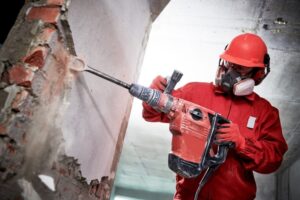
Federal regulations require specific protocols for asbestos removal projects exceeding certain size thresholds. The National Emission Standards for Hazardous Air Pollutants establish mandatory procedures for commercial and residential abatement.
Licensed contractors must handle all friable asbestos materials using approved containment methods. Air monitoring, waste disposal, and worker protection requirements carry significant penalties for non-compliance.
State and local regulations often impose additional restrictions beyond federal standards. Building permits, inspection schedules, and disposal facility approvals create complex regulatory frameworks that professional contractors navigate successfully.
Our mold remediation expertise complements asbestos services when properties face multiple contamination issues that require coordinated treatment approaches.
Documentation requirements include air sampling results, waste manifests, and completion certificates. These records protect property owners from future liability claims while demonstrating compliance with safety standards.
Professional Testing and Assessment Procedures
Certified inspectors collect material samples using specialized techniques that prevent fiber release during collection processes. Laboratory analysis identifies asbestos type, concentration levels, and material friability ratings.
Air quality testing measures baseline conditions before abatement begins and confirms safe completion standards afterward. Real-time monitoring during removal operations ensures worker and occupant protection throughout the project.
Before beginning any structural changes, hiring an asbestos inspector is a vital step in your due diligence. Bulk material sampling requires experienced technicians who understand proper collection protocols. Different materials require specific sampling methods to obtain accurate results without creating exposure risks.
Priority rankings help property owners understand which materials pose immediate dangers versus long-term concerns. This assessment guides removal scheduling and budget allocation for comprehensive abatement projects.
Safe Containment Methods During Removal Operations
Professional abatement requires complete isolation of work areas using plastic sheeting and negative air pressure systems. These containment barriers prevent asbestos fibers from spreading to clean areas of the building.
Specialized equipment includes HEPA filtration units, decontamination chambers, and personal protective equipment rated for asbestos work. Worker training and medical monitoring ensure safe handling throughout the removal process.
Wet removal methods minimize fiber release by keeping materials saturated during cutting and removal activities. In many commercial settings, interior demolition contractors work alongside abatement teams to ensure that structural removals are handled without cross-contamination
Waste packaging follows strict guidelines for container types, labeling requirements, and transportation procedures. Approved disposal facilities accept asbestos waste under carefully controlled conditions.
Worker Safety Protocols and Training Requirements
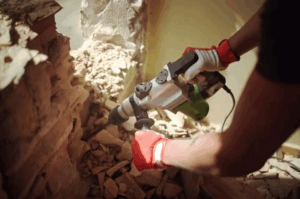
Certified asbestos workers complete extensive training programs covering health risks, safety procedures, and regulatory compliance. Medical monitoring tracks worker health through regular examinations and exposure assessments.
Personal protective equipment includes full-face respirators, disposable coveralls, and decontamination procedures. Proper equipment selection and maintenance prevents worker exposure during removal operations.
Emergency response procedures address equipment failures, containment breaches, and medical emergencies. Trained supervisors maintain oversight throughout projects to ensure safety protocol compliance.
Documentation tracks worker certifications, medical clearances, and safety training completion. These records demonstrate compliance with occupational health standards and liability protection requirements.
Cost Factors in Professional Asbestos Abatement
Project costs vary significantly based on material types, contamination extent, and accessibility factors. Friable materials require more extensive containment and handling procedures than non-friable materials.
Building characteristics affect pricing through structural complexity, ventilation challenges, and occupancy restrictions. Multi-story buildings and occupied facilities require additional safety measures that increase project costs.
Disposal fees represent significant cost components due to specialized facility requirements and transportation restrictions. Geographic location affects availability and pricing for approved disposal options.
Emergency asbestos abatement services carry premium pricing due to expedited scheduling and enhanced safety requirements. Planned removal during renovation projects typically offers cost advantages over emergency response situations.
Property Value Protection Through Professional Removal
Asbestos contamination creates significant barriers to property sales, financing, and insurance coverage. Professional abatement eliminates these obstacles while protecting long-term property values.
Disclosure requirements in real estate transactions expose sellers to liability claims when asbestos presence is known but not addressed. Complete removal provides clear documentation that protects both buyers and sellers.
Insurance companies increasingly require asbestos-free certifications for coverage approval, particularly for commercial properties and rental units. Professional abatement ensures continued insurance availability at competitive rates.
Professional HVAC system cleaning often accompanies asbestos projects to address contamination in ductwork and mechanical systems that require specialized attention.
Market demand favors properties with documented environmental safety records. Professional abatement certificates provide competitive advantages in sales and leasing markets.
Coordination with Other Environmental Services
Asbestos projects often reveal additional environmental concerns that require coordinated treatment approaches. Mold contamination, lead paint, and indoor air quality issues may need simultaneous attention.
Professional environmental contractors provide comprehensive services that address multiple contamination sources efficiently. Coordinated projects reduce disruption while ensuring complete property remediation.
For larger properties, commercial asbestos abatement might be paired with commercial duct cleaning to ensure the entire building's air quality is restored. Testing protocols identify overlapping contamination issues that could complicate removal procedures. Early identification allows for integrated treatment planning that maximizes cost efficiency.
Project scheduling coordinates multiple specialties to minimize timeline extensions and reduce overall project costs. Experienced contractors manage complex projects involving asbestos, mold, and HVAC contamination issues.

Documentation and Certification Requirements
Completion certificates provide official documentation that asbestos removal meets all regulatory standards. These documents protect property owners from future liability claims and satisfy insurance requirements.
Air clearance testing confirms that fiber levels meet safety standards before building reoccupancy. Independent laboratories provide third-party verification that ensures objective results.
Waste disposal manifests track materials from removal through final disposal, creating complete chain-of-custody documentation. These records demonstrate proper handling and regulatory compliance.
Maintenance records for non-friable materials that remain in place require ongoing documentation. Periodic inspections and condition assessments maintain compliance with management requirements.
Emergency Response for Disturbed Asbestos Materials
Accidental disturbance of asbestos materials requires immediate professional response to minimize exposure risks. Construction accidents, water damage, and structural failures can create emergency situations.
Evacuation procedures protect building occupants while professional responders assess contamination extent. Air monitoring determines safe reentry conditions and cleanup requirements.
Emergency containment prevents fiber spread throughout buildings while permanent removal solutions are planned and implemented. Temporary measures bridge the gap between discovery and complete abatement.
Insurance claims often require rapid response documentation to support coverage decisions. Professional emergency services provide the documentation needed for successful claim resolution.
Industry Standards and Compliance Resources
For comprehensive information about federal asbestos regulations and safety requirements, property owners should consult the Environmental Protection Agency's asbestos information which provides detailed guidance on identification, removal standards, and regulatory compliance procedures.
The Occupational Safety and Health Administration's asbestos standards offer extensive information about worker protection requirements, training programs, and safety protocols that professional contractors must follow during abatement operations.
Long-Term Monitoring and Maintenance Programs
Properties with remaining non-friable asbestos materials require ongoing monitoring programs to ensure continued safety. Regular inspections track material condition and identify potential concerns early.
Maintenance worker training prevents accidental disturbance of asbestos materials during routine building operations. Clear labeling and documentation help workers avoid contaminated areas.
Periodic air sampling confirms that management programs maintain safe conditions over time. Professional monitoring services provide objective assessments that protect building occupants.
Building management plans document asbestos locations, condition assessments, and maintenance procedures. These plans ensure continuity of safety programs through ownership and management changes.
Ready to protect your property and occupants from asbestos hazards? Contact Kell Environmental today to schedule your professional assessment and receive detailed abatement recommendations tailored to your specific needs.
Frequently Asked Questions About Asbestos Abatement
How can I tell if my building contains asbestos materials? Professional inspection and laboratory testing provide the only reliable method for identifying asbestos-containing materials in buildings. Visual identification remains impossible since asbestos fibers are microscopic, and many building materials that appear identical may or may not contain asbestos depending on manufacturing dates and sources. When you hire an asbestos inspector, they collect samples using specialized techniques that prevent fiber release, while accredited laboratories analyze materials using polarized light microscopy. Buildings constructed before 1980 have the highest probability of containing asbestos, but materials manufactured as late as the 1990s may still contain these dangerous fibers in certain applications.
What happens if asbestos materials are accidentally disturbed during renovation work?
Accidental disturbance requires immediate work stoppage and professional emergency response to assess contamination levels and implement proper containment measures. Workers and occupants should evacuate the immediate area while certified professionals conduct air monitoring to determine the extent of fiber release. The disturbed materials must be properly removed by a licensed asbestos removal company following EPA protocols. Furthermore, if the disturbance occurred near vents, a professional HVAC duct cleaning may be necessary to ensure no microscopic fibers remain in the air circulation system. Documentation of the incident and remediation efforts provides legal protection and satisfies insurance requirements.
How long does professional asbestos abatement typically take to complete?
Project duration varies significantly based on contamination extent, material types, and building characteristics. Small residential asbestos abatement projects can potentially be completed within 2-3 days, while large commercial asbestos abatement projects may require several weeks. Friable materials like pipe insulation or spray-applied fireproofing typically require more time due to complex containment and removal procedures compared to non-friable materials like floor tiles. Pre-abatement activities, including permitting, air monitoring setup, and containment construction, often require 1-2 days before removal work begins. Post-abatement clearance testing and decontamination procedures add additional time before building reoccupancy approval is granted. Weather conditions, building occupancy restrictions, and coordination with other trades can extend timelines beyond initial estimates.
What credentials should I look for when hiring an asbestos abatement contractor?
Qualified contractors must hold current EPA certification for asbestos abatement work, state licensing where required, and maintain comprehensive insurance coverage, including pollution liability protection. Individual workers need appropriate training certifications for their specific roles, whether as supervisors, operators, or inspectors, with renewal requirements typically every three years. Look for contractors with established track records in your area, positive references from recent projects, and memberships in professional organizations like the National Association of Demolition Contractors or the Restoration Industry Association. Verify their waste disposal relationships with approved facilities, their equipment inventory, including negative air machines and decontamination units, and their ability to provide required documentation, including clearance testing and completion certificates.
Can I stay in my home during asbestos abatement work?
Occupancy during abatement depends on project location within the building, containment effectiveness, and local regulatory requirements, with many projects requiring temporary relocation for safety reasons. Professional containment systems using negative air pressure and sealed barriers can sometimes allow occupancy in unaffected areas of large buildings, but residential properties typically require complete evacuation during removal operations. Air monitoring throughout the project confirms that containment systems prevent fiber migration to occupied spaces, but even minor containment breaches can create exposure risks. The safest approach involves temporary relocation until clearance testing confirms that fiber levels meet safety standards. During this time, many homeowners also opt for air duct cleaning services to ensure that once they return, the entire indoor environment is fresh and free of any legacy dust. Consult with your provider to determine appropriate occupancy restrictions for your specific project.