

Asbestos remains one of the most serious health hazards in older commercial and residential buildings across South Carolina. Millions of properties constructed before the 1980s contain asbestos in insulation, flooring, ceiling tiles, and other building materials. When these materials become damaged or disturbed, microscopic asbestos fibers become airborne and create significant health risks for anyone in the building.
Property owners often discover asbestos during renovations, after water damage, or when preparing buildings for sale. Asbestos abatement requires specialized training, equipment, and licensing to remove these hazardous materials safely. KellEnvironmental provides licensed asbestos removal services that protect your property investment and keep building occupants safe from this dangerous carcinogen.
Many people underestimate the prevalence of asbestos in buildings or assume their property is too new to contain these materials. The reality is that asbestos use continued into the late 1980s in certain applications, and millions of structures still contain these hazardous fibers today.
Understanding Asbestos and Its Widespread Use in Construction
Asbestos refers to six naturally occurring fibrous minerals that were extensively used in building materials from the 1940s through the 1980s. Manufacturers valued asbestos for its fire resistance, insulation properties, and durability. The construction industry incorporated asbestos into over 3,000 different building products before its health dangers became widely recognized.
The mineral's microscopic fibers can be inhaled deep into lung tissue, where they remain permanently lodged. These fibers cause cellular damage that can develop into serious diseases decades after the initial exposure. No amount of asbestos exposure is considered safe by medical experts. Because the fibers are so resilient, a certified asbestos removal company must use specific wetting agents and HEPA filtration to ensure the air remains clear during a project.
Asbestos use peaked in the United States during the 1960s and 1970s. A partial ban took effect in 1989, but many existing products remained in use for years afterward. Properties built or renovated before 1990 have the highest probability of containing asbestos materials.

Where Asbestos Hides in Your Building
Asbestos can be found in numerous locations throughout commercial and residential properties. Popcorn ceilings installed before 1980 commonly contain asbestos fibers mixed into the textured coating. Vinyl floor tiles and the backing adhesive used to install them frequently incorporated asbestos for durability.
Pipe insulation and boiler wrapping in older heating systems almost always contain asbestos in buildings constructed before the 1980s. Roofing materials including shingles and felt paper used asbestos for fire resistance. Siding products particularly cement board siding often contained significant asbestos content.
Attic insulation in older homes may consist of vermiculite that contains asbestos contamination. Drywall joint compound manufactured before the mid-1970s included asbestos fibers. Even decorative plaster and textured paints used asbestos to improve texture and durability.
The challenge with asbestos materials is that they look identical to non-asbestos versions. You cannot identify asbestos through visual inspection alone. Laboratory testing is the only definitive way to confirm whether building materials contain asbestos. If you are planning a major renovation, your interior demolition contractors should always wait for a negative asbestos test result before starting any structural removals.
Recognizing the Warning Signs of Asbestos in Your Property
Several indicators suggest your property may require asbestos testing and potential abatement. The building's age is the first consideration. Structures built or significantly renovated between 1940 and 1990 have the highest likelihood of containing asbestos materials.
Damaged or deteriorating building materials create immediate concerns. Crumbling pipe insulation, cracked floor tiles, or peeling texture on ceilings can release asbestos fibers into the air. Water damage that affects older materials increases the risk of fiber release.
Planned renovations trigger the need for asbestos testing. Disturbing materials through demolition, drilling, or cutting releases fibers if asbestos is present. South Carolina regulations require testing before renovation projects that could impact asbestos-containing materials.
Previous improper removal attempts create hazardous situations. Some property owners or unlicensed contractors attempt to remove suspected asbestos materials themselves. This approach spreads contamination throughout the building and creates serious health risks for current and future occupants.
The Serious Health Consequences of Asbestos Exposure
Asbestos exposure causes several deadly diseases that typically develop 10 to 40 years after initial contact with the fibers. Mesothelioma, a rare and aggressive cancer affecting the lining of the lungs or abdomen, is almost exclusively caused by asbestos exposure. This disease has no cure and most patients survive less than 18 months after diagnosis.
Lung cancer rates increase significantly among people exposed to asbestos fibers. Smokers who were exposed to asbestos face 50 to 90 times higher lung cancer risk compared to non-smokers who were never exposed. The combination of smoking and asbestos creates a synergistic effect that dramatically elevates cancer risk.
Asbestosis is a chronic lung disease that develops when asbestos fibers cause permanent scarring of lung tissue. This progressive condition makes breathing increasingly difficult over time. Because of these severe risks, residential asbestos abatement is a vital service for homeowners living in older houses where materials may be crumbling or deteriorating behind walls and in attics.
The latency period for asbestos diseases means symptoms may not appear for decades after exposure. Many people were exposed to asbestos as children or young adults and developed diseases later in life. Medical researchers estimate that 12,000 to 15,000 Americans die each year from asbestos-related diseases.
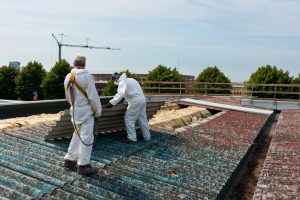
Situations That Require Professional Asbestos Abatement
Asbestos-containing materials in good condition and left undisturbed generally do not pose immediate health risks. The danger arises when materials become damaged, deteriorate with age, or require disturbance during renovation or demolition. Several situations mandate professional asbestos removal.
Renovation projects that involve cutting, drilling, or removing materials suspected of containing asbestos require testing and potential abatement. Selling a commercial property often requires asbestos inspection and disclosure to potential buyers. Some purchasers demand abatement before closing on the sale.
Building demolition requires complete asbestos abatement before structure removal can proceed. Water damage that affects materials containing asbestos creates an emergency situation requiring immediate professional response. Fire damage similarly demands asbestos evaluation and removal before repairs begin.
Deteriorating materials releasing visible dust or fibers require urgent abatement. Exposed or accessible asbestos materials in areas where children play or employees work should be removed regardless of their current condition.
The Multi-Step Process of Safe Asbestos Removal
Professional asbestos abatement follows strict protocols established by federal and state regulations. The process begins with comprehensive testing to identify all asbestos-containing materials. Laboratory analysis determines the type and percentage of asbestos present in each material.
Creating a detailed abatement plan comes next. This plan specifies containment methods, removal techniques, disposal procedures, and air monitoring protocols. Licensed abatement contractors must follow this plan precisely during the removal work.
Establishing a contained work area prevents fiber spread to other building sections. For business owners, commercial asbestos abatement often requires working in shifts to minimize disruption to tenants or employees. Workers seal off the abatement zone with multiple layers of plastic sheeting and create negative air pressure using HEPA filtration systems. Air monitoring equipment tracks fiber levels throughout the project.
Removal technicians wear full protective suits with respirators during material removal. They wet materials continuously during removal to minimize airborne fiber release. All removed materials are double-bagged in special containers marked with asbestos warnings for disposal at approved facilities.
Post-abatement clearance testing verifies that the work area is safe for reoccupancy. Independent inspectors collect air samples and analyze them for asbestos fiber content. The area cannot be released until fiber counts fall below established safety thresholds.
The professional approach to environmental hazards applies to various contamination situations beyond asbestos. Proper training and equipment protect workers and building occupants from exposure.
Why DIY Asbestos Removal Creates Deadly Risks
Many property owners consider removing asbestos themselves to save money. This decision creates severe health risks and potential legal liability. Improper asbestos removal spreads contamination throughout a building and exposes everyone present to dangerous fiber levels.
Asbestos fibers are invisible to the naked eye and remain airborne for hours after disturbance. Standard dust masks and shop vacuums do not provide adequate protection or capture asbestos fibers. Special HEPA respirators and industrial containment equipment are required for safe removal.
Disturbing asbestos without proper containment spreads fibers through HVAC systems to every room in a building. These fibers settle on furniture, carpets, and personal belongings. Complete decontamination after improper removal is often impossible. Furthermore, if the building has also suffered from leaks, a mold remediation specialist may be needed to handle the biological hazards that often grow alongside damp asbestos insulation.
Legal consequences of unpermitted asbestos removal include substantial fines from environmental protection agencies. Property owners who attempt DIY removal may face lawsuits from family members, tenants, or future buyers who develop asbestos-related diseases. Insurance policies typically exclude coverage for damage resulting from unpermitted asbestos work.
The cost savings from DIY removal are quickly eliminated by health risks, contamination spread, and potential legal liability. Licensed contractors carry specialized insurance, follow established protocols, and provide documentation that protects property owners from future claims.

Selecting a Qualified Asbestos Abatement Contractor
Choosing the right asbestos removal company protects your health and property investment. Verify that contractors hold current South Carolina asbestos abatement licenses. The state requires separate licenses for contractors, supervisors, and workers involved in asbestos projects.
Request proof of liability insurance and workers' compensation coverage specific to asbestos work. Standard general liability policies often exclude asbestos-related claims. Contractors should carry pollution liability insurance with coverage amounts appropriate for your project size.
Ask for references from previous asbestos abatement projects similar to yours. Contact these references to verify the contractor completed work on time, within budget, and without complications. Check for complaints with the Better Business Bureau and state licensing boards.
Reputable contractors provide detailed written proposals specifying materials to be removed, containment methods, disposal procedures, and post-abatement testing protocols. Avoid contractors who offer to skip testing or who provide quotes significantly lower than other bidders.
Licensing requirements ensure contractors understand proper removal techniques and have completed required training. Licensed professionals know which materials require removal versus encapsulation or enclosure. They maintain relationships with approved disposal facilities and can provide proper documentation for regulatory compliance. This is especially important for mold remediation services and other environmental tasks where proof of proper disposal is required by law.
Cost Factors That Influence Asbestos Removal Projects
Asbestos abatement costs vary based on several factors. The type of material containing asbestos affects removal complexity and cost. Friable materials that crumble easily and release fibers readily are more expensive to remove than non-friable materials like floor tiles.
Project size measured in square footage directly impacts labor and disposal costs. Small projects involving only a few square feet of material may have higher per-square-foot costs due to minimum setup requirements. Large projects achieve some economy of scale but require more extensive containment and longer work periods.
Building accessibility affects project costs. Materials located in confined spaces like crawlspaces or attics require more time and specialized equipment to remove safely. Multi-story buildings need additional containment measures to prevent fiber spread between floors.
Local disposal facility fees vary by region and can represent a significant portion of total project costs. Some materials require special handling and increased disposal fees. Transportation distance to approved disposal facilities also affects the final price.
Emergency asbestos removal costs more than scheduled projects. Property owners who discover asbestos during active renovations often pay premium rates for immediate contractor availability. Planning ahead and testing before starting renovation work helps avoid emergency situations and associated costs.
Most residential asbestos abatement projects range from $1,500 to $3,000 for small areas. Whole-house projects involving multiple materials typically cost $15,000 to $30,000. Commercial projects can exceed $100,000 depending on building size and contamination extent.
Navigating Legal Requirements and Regulations
Federal, state, and local regulations govern asbestos testing, removal, and disposal. The Environmental Protection Agency established the National Emission Standards for Hazardous Air Pollutants (NESHAP) that regulate asbestos removal in all buildings. These standards apply to commercial and residential properties regardless of size. Property owners managing older buildings should also consider HVAC cleaning as part of maintenance, since proper ductwork care can prevent airborne hazards alongside asbestos precautions.
South Carolina requires notification to state environmental agencies before beginning asbestos abatement projects exceeding certain thresholds. Failure to provide proper notification can result in fines up to $25,000 per day of violation. Contractors must maintain detailed records of all asbestos projects.
The Occupational Safety and Health Administration (OSHA) establishes worker protection standards for asbestos projects. These regulations specify required protective equipment, air monitoring protocols, and worker training requirements. Property owners can be held liable for contractor violations that occur on their property.
Local building departments often require asbestos testing and permits before issuing renovation or demolition permits. Some municipalities have stricter standards than state or federal regulations. Research local requirements before beginning any project that might disturb asbestos materials.
Proper disposal of asbestos waste follows strict chain-of-custody documentation. Licensed disposal facilities provide manifests proving materials were handled properly. Retain these documents permanently as proof of proper disposal. Some states require property owners to notify future buyers about previous asbestos removal.
Verifying Clean Air After Abatement Completion
Post-abatement clearance testing confirms that removal work successfully eliminated asbestos contamination. Independent certified inspectors who did not participate in the removal must conduct this testing. Using the same contractor for removal and clearance testing creates a conflict of interest and violates regulations in many jurisdictions.
Inspectors collect air samples from the work area after contractors complete all removal and cleaning. These samples undergo laboratory analysis using phase contrast microscopy or transmission electron microscopy. Results must show fiber counts below 0.01 fibers per cubic centimeter of air.
Visual inspection accompanies air testing to verify complete material removal and proper cleanup. Inspectors check that all visible dust and debris have been removed from the work area. Any remaining contamination requires additional cleaning and retesting before clearance approval.
Clearance reports document that the abatement project met all applicable standards. These reports become part of the property's permanent records and should be retained indefinitely. Future buyers, tenants, or renovation contractors may request copies of clearance documentation.
Some projects require aggressive air sampling where inspectors use fans to disturb the air before collecting samples. This testing method detects any residual contamination that might become airborne during normal building use. Aggressive sampling provides additional assurance that the area is safe for reoccupancy.
The importance of air quality verification extends across various environmental improvement projects. Professional testing ensures that remediation efforts achieve their intended safety goals.
Protecting Your Family and Employees From Asbestos
Prevention begins with awareness of potential asbestos locations in your property. Never disturb materials suspected of containing asbestos through drilling, cutting, or removal. Even minor disturbances can release dangerous fiber concentrations into the air.
Regular building inspections help identify deteriorating materials before they create hazards. Address water leaks promptly to prevent damage to materials that might contain asbestos. Roof leaks, plumbing failures, and foundation issues can compromise asbestos-containing materials.
If you must work near suspected asbestos materials, have them tested first. The cost of testing is minimal compared to health risks and cleanup expenses from improper handling. Professional testing typically costs $200 to $400 for basic sampling and laboratory analysis.
Educate family members and employees about asbestos risks and the importance of avoiding disturbance of older building materials. Children should never play in areas with deteriorating materials that could contain asbestos. Tenants should be instructed to report any damaged materials immediately. If you are managing a commercial facility, choosing the right asbestos abatement services is a key part of your liability protection and safety management plan.
During renovation planning, always test before starting any demolition or material removal. Budget for testing and potential abatement costs from the beginning of your project. Discovering asbestos mid-project creates delays, increases costs, and may require expensive emergency abatement.
Maintain detailed records of any asbestos testing or abatement performed on your property. These records protect you legally and inform future property owners or renovation contractors about previous asbestos issues. Documentation proves you handled asbestos responsibly and followed proper procedures.

Industry Standards and Regulatory Resources
Property owners and contractors should consult authoritative sources for current asbestos regulations and best practices. The Environmental Protection Agency's asbestos program provides comprehensive information about federal requirements, health effects, and proper handling procedures. Their website includes detailed guidance documents, training resources, and regulatory updates.
The Occupational Safety and Health Administration asbestos standards outline worker protection requirements and workplace safety protocols. OSHA's resources include compliance guides, fact sheets, and training materials that help ensure projects meet federal safety standards.
These government agencies regularly update regulations based on new scientific research and industry developments. Staying informed about current standards protects your health, legal compliance, and property value.
Take Action to Protect Your Property and Health
Asbestos poses serious health risks that require professional expertise to manage safely. Property owners who discover or suspect asbestos should act quickly to assess the situation and implement appropriate solutions. Delaying asbestos testing and removal only increases exposure risks and potential liability.
Schedule your asbestos inspection with KellEnvironmental today to protect your family, employees, and property investment. Our licensed team provides comprehensive testing, safe removal, and complete documentation that gives you peace of mind.
Frequently Asked Questions About Asbestos Abatement
How do I know if my building contains asbestos without testing?
You cannot definitively identify asbestos-containing materials without laboratory testing. Materials manufactured before 1990 have higher probabilities of containing asbestos, but visual inspection alone cannot confirm presence or absence. Common locations include popcorn ceilings, vinyl floor tiles, pipe insulation, and roofing materials in older buildings. The only reliable method is collecting samples and sending them to certified laboratories. Hiring a certified asbestos inspector is the best way to ensure proper sampling techniques are used to minimize fiber release during collection. Testing costs $200 to $400 for most residential properties and provides essential information before starting any renovation work. Property owners should assume materials in older buildings contain asbestos until testing proves otherwise.
Can I safely live in a building that contains asbestos materials?
Asbestos materials in good condition that remain undisturbed generally do not create immediate health hazards. The danger arises when materials deteriorate, sustain damage, or undergo disturbance during renovation or demolition activities. Many people live and work in buildings containing intact asbestos materials without experiencing health problems. Regular inspections help identify any materials beginning to deteriorate before they release significant fiber quantities. Professional assessment by an environmental remediation company determines whether materials should be removed immediately, encapsulated for protection, or simply monitored over time. Factors influencing this decision include material condition, location accessibility, building occupancy patterns, and planned renovation schedules. Document the presence and condition of asbestos materials and reassess them periodically.
What happens if asbestos is disturbed before proper removal?
Improper asbestos disturbance creates serious contamination that requires professional remediation. Fibers spread throughout the building via air currents and HVAC systems and settle on all surfaces, including furniture, carpets, and personal items. The building should be evacuated immediately and professional testing should be conducted to determine contamination extent. Remediation often requires extensive decontamination beyond the original disturbance area. To ensure the air is truly clean after such an incident, many property owners also schedule a commercial duct cleaning or residential vent cleaning to remove trapped fibers from the ventilation system. Proper documentation of the incident and remediation efforts by a licensed asbestos removal company provides essential legal protection and peace of mind.
How long does professional asbestos abatement take to complete?
Project duration depends on contamination extent, material types, building size, and access complexity. Small residential projects are often completed in one to three days, while whole-house residential asbestos abatement typically requires one to two weeks. For larger facilities, commercial asbestos abatement can extend for several weeks based on building size and operational requirements. Post-abatement clearance testing adds two to five days to the timeline while samples undergo laboratory analysis. Emergency projects sometimes receive expedited service but may cost more. Contractors should provide realistic timelines during the planning phase and keep property owners informed about progress throughout the project.
Does homeowner's insurance cover asbestos removal costs?
Standard homeowner's insurance policies typically exclude asbestos removal coverage unless removal is required due to a covered peril like fire or severe storm damage. Policies generally do not cover asbestos removal for renovation purposes or gradual deterioration. Before starting a project, it is wise to consult an asbestos abatement contractor for a detailed quote to help with budgeting. Some lenders require testing and potential removal before approving mortgages on older properties. This investment protects property value and occupant health; additionally, if you are also dealing with water damage, coordinating with mold remediation services can help streamline the insurance claim process for all environmental hazards.