

Mold contamination threatens both property value and occupant health through rapid growth and toxic spore release. Hidden moisture problems create ideal conditions for extensive mold colonies that standard cleaning cannot eliminate effectively. Property owners face serious health risks, structural damage, and legal liability when mold problems go untreated.
Kell Environmental's professional mold remediation services provide comprehensive mold removal, contamination containment, and prevention strategies that restore safe indoor environments. Our certified specialists use advanced detection equipment and proven remediation protocols to eliminate mold colonies at their source completely.
This comprehensive guide explains professional mold remediation processes, health risks, prevention strategies, and the critical differences between DIY attempts and professional treatment approaches.
Understanding Mold Growth Patterns and Contamination Spread
Mold requires three basic conditions for growth: moisture, organic materials, and temperatures between 40-80°F. These common conditions exist in most buildings, making mold prevention challenging without proper moisture control and environmental management systems.
Spore dispersal occurs rapidly once colonies establish themselves. Air currents carry microscopic spores throughout buildings, seeding new growth areas far from original contamination sites. This dispersal pattern makes surface cleaning ineffective against established mold problems.
Hidden growth areas present the greatest challenges for property owners. Mold thrives behind walls, under flooring, and within HVAC systems where detection becomes difficult. If you are noticing musty odors, a professional HVAC cleaning service can help determine if your ventilation system is circulating spores throughout the building. By the time visible growth appears, extensive contamination often exists throughout affected areas.
Health Risks Associated With Mold Exposure
Respiratory health impacts represent the most immediate mold exposure risks. Spores trigger asthma attacks, allergic reactions, and breathing difficulties in sensitive individuals. Children, elderly people, and those with compromised immune systems face heightened vulnerability to mold-related health problems. Many families turn to mold remediation specialists when exposure risks affect health.
Toxic mold species produce mycotoxins that cause severe health reactions. Black mold (Stachybotrys) releases compounds connected to neurological symptoms, chronic fatigue, and persistent respiratory issues. Extended exposure to toxic mold creates serious health consequences requiring medical intervention.
Chemical sensitivity develops from prolonged mold exposure. Affected individuals experience reactions to common household chemicals, fragrances, and environmental triggers. These sensitivities significantly impact quality of life and often require extensive lifestyle modifications.
Property Damage From Untreated Mold Contamination
Structural damage accelerates as mold colonies consume building materials. Wood framing, drywall, and insulation deteriorate under active mold growth. This degradation compromises structural integrity and creates expensive repair requirements. In many cases, interior demolition contractors are required to strip away contaminated drywall and flooring to reach the root of the problem.
Surface staining and odors reduce property values significantly. Persistent musty smells and visible discoloration indicate serious contamination problems that potential buyers avoid. Real estate professionals report that mold issues create major obstacles in property sales.
HVAC system contamination spreads problems throughout buildings. Mold growth in air handling systems distributes spores to previously unaffected areas. Professional cleaning becomes necessary to eliminate contamination from mechanical systems and prevent recontamination of remediated areas.

Professional Mold Assessment and Testing Procedures
Visual inspection identifies obvious mold growth and moisture problems. Certified inspectors examine common problem areas, including basements, bathrooms, kitchens, and areas with known water damage history. This initial assessment determines contamination scope and required remediation approaches.
Air sampling measures spore concentrations throughout affected buildings, identifying contamination severity. Before starting any major remediation in an older building, it is highly recommended to hire an asbestos inspector to ensure that removing moldy drywall or insulation won't accidentally release hazardous asbestos fibers into the air.
Surface sampling confirms mold presence on materials that appear clean. Testing reveals hidden contamination on painted surfaces, behind wallpaper, and within porous materials. These samples identify specific mold species and determine appropriate treatment protocols.
Containment Strategies During Mold Remediation
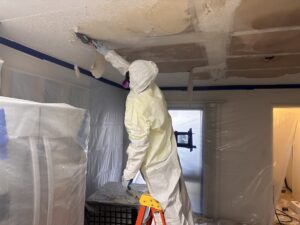
Physical containment prevents spore dispersal during remediation work. Professional services establish negative pressure zones using industrial fans and plastic sheeting. This containment protects unaffected areas from contamination spread during removal activities.
HEPA filtration systems capture airborne spores during remediation processes. These high-efficiency filters remove particles as small as 0.3 microns, preventing cleaned contaminants from circulating through building air systems. Proper filtration maintains safe air quality during active remediation work.
Personal protective equipment protects technicians and occupants from exposure risks. Full-body suits, respirators, and protective gloves prevent direct contact with contaminated materials. Professional remediation teams follow strict safety protocols to minimize exposure risks.
Advanced Mold Removal Techniques and Equipment
Dry ice blasting removes mold from delicate surfaces without chemical treatments. This process uses compressed dry ice pellets to physically remove contamination from wood, metal, and other materials. The technique leaves no chemical residues and prevents additional moisture introduction.
Antimicrobial treatments eliminate mold colonies and prevent regrowth. Professional-grade fungicides penetrate porous materials, killing spores and root systems that surface cleaning cannot reach. These treatments provide extended protection against recontamination.
HEPA vacuuming removes loose spores and debris from affected surfaces. Industrial vacuum systems prevent spore dispersal during cleaning activities. Many property owners work with professional mold remediation services to ensure these steps are completed correctly. This mechanical removal prepares surfaces for chemical treatment and final restoration work.
Moisture Control and Prevention Systems
Dehumidification systems maintain optimal humidity levels, preventing mold growth. Professional-grade dehumidifiers reduce moisture below 60% relative humidity, creating unfavorable conditions for most mold species. These systems provide ongoing protection against future contamination.
Vapor barriers prevent moisture infiltration through building materials. Professional installation of plastic sheeting and waterproof membranes blocks water entry from soil contact and exterior walls. Ventilation improvements, such as commercial duct cleaning, enhance air circulation and moisture removal, resulting in healthier indoor environments that resist contamination.
Ventilation improvements boost air circulation and moisture removal. Exhaust fans, air exchangers, and improved ductwork eliminate stagnant air conditions that promote mold growth. Proper ventilation creates healthy indoor environments that resist contamination.

Structural Repairs Following Mold Remediation
Material removal becomes necessary when contamination penetrates deeply into porous surfaces. Severely affected drywall, insulation, and flooring require complete replacement rather than surface treatment. This removal eliminates contamination sources that cleaning cannot address. In many cases, interior demolition contractors are utilized to safely strip away these unsalvageable materials while maintaining the building's structural integrity. Property owners often partner with professional mold remediation services during this phase to ensure the cleanup supports long-term safety.
Structural drying prevents future mold problems in repaired areas. Professional drying equipment reduces moisture content in building materials below levels that support mold growth. This process confirms that repairs create lasting solutions rather than temporary fixes.
Surface preparation enables effective antimicrobial treatment and refinishing. Cleaned surfaces receive proper sealing and priming before final restoration work. This preparation prevents future contamination and creates successful remediation results.
Commercial Mold Remediation Considerations
Business operations require careful coordination during commercial remediation projects. Professional services develop work schedules that minimize disruptions while maintaining safe working conditions. Phased remediation approaches allow businesses to continue operations in unaffected areas. For larger facilities, commercial asbestos abatement is often performed concurrently if hazardous insulation is discovered during the mold removal process.
Regulatory compliance becomes critical in commercial settings. Healthcare facilities, schools, and food service operations must meet specific air quality standards during and after remediation work. Professional services maintain compliance with OSHA, EPA, and local health department requirements.
Insurance documentation supports commercial claims and liability protection. Detailed remediation records, before and after testing results, and compliance certificates provide evidence of proper treatment. This documentation protects businesses from future liability claims and supports insurance settlements.
Residential Mold Remediation Process Overview
Home remediation projects require family relocation planning during active treatment phases. Professional services coordinate temporary housing arrangements and belongings protection during extensive remediation projects. This planning maintains family safety and project efficiency. Residential asbestos abatement may also be necessary if older popcorn ceilings or floor tiles are disturbed during the mold cleanup.
Personal property restoration salvages valuable items from contaminated areas. Professional cleaning, ozone treatment, and specialized restoration techniques recover furniture, clothing, and documents affected by mold contamination. These services minimize personal losses from remediation projects.
Final clearance testing verifies successful residential remediation completion. Independent testing confirms that spore levels return to normal ranges and remediation goals are achieved. This verification provides peace of mind and documentation for future property transactions.
Insurance Claims and Documentation Requirements
Photo documentation supports mold damage insurance claims. Before, during, and after photos provide visual evidence of contamination extent and remediation effectiveness. Professional services maintain detailed photographic records throughout remediation projects.
Laboratory testing results validate contamination severity and treatment success. Professional testing documentation includes chain-of-custody records, laboratory certifications, and detailed analytical reports. This scientific evidence supports insurance claims and regulatory compliance requirements.
Cost itemization helps maximize insurance coverage for remediation expenses. Detailed breakdowns of labor, materials, equipment, and testing costs provide insurers with necessary claim documentation. Professional services work directly with insurance adjusters to expedite claim processing.
Seasonal Factors Affecting Mold Growth and Remediation
Spring moisture increases create ideal mold growth conditions. Melting snow, increased rainfall, and higher humidity levels promote rapid mold development. Property owners should schedule spring inspections to identify and address moisture problems before extensive contamination develops.
Summer humidity levels accelerate mold growth in poorly ventilated areas. Air conditioning systems, basements, and crawl spaces become particularly vulnerable during hot, humid weather. Professional remediation work often requires improved dehumidification during the summer months.
Fall preparation prevents winter mold problems. Gutter cleaning, roof maintenance, and heating system preparation eliminate moisture sources before cold weather arrives. To ensure your vents aren't circulating seasonal allergens or spores, a professional HVAC duct cleaning is highly recommended during these transitions.
Preventing Mold Recurrence After Professional Remediation
Regular moisture monitoring prevents future contamination problems. Digital humidity meters, moisture detectors, and periodic professional inspections identify conditions that could support mold growth. Early detection enables prompt intervention before major problems develop.
Maintenance schedules address building systems that affect moisture levels. HVAC maintenance, plumbing inspections, and roof evaluations identify potential problems before they create mold-friendly conditions. Comprehensive commercial duct cleaning ensures that moisture does not accumulate within large-scale ventilation networks. Preventive maintenance costs significantly less than major remediation projects.
Air quality testing provides ongoing verification of successful remediation. Annual or bi-annual testing confirms that spore levels remain within acceptable ranges. This monitoring provides early warning of potential problems and verification of continued indoor air quality.

Environmental Considerations in Mold Remediation
Eco-friendly remediation methods protect indoor air quality during service delivery. Green antimicrobial products eliminate chemical residues that traditional treatments leave behind. These environmentally responsible approaches create healthier indoor environments without introducing new contaminants.
Proper waste disposal prevents environmental contamination. Professional services dispose of contaminated materials according to environmental regulations. Hazardous materials receive appropriate handling to prevent groundwater and soil contamination.
Sustainable prevention strategies, such as air duct cleaning services, reduce long-term environmental impact by improving system efficiency. Energy-efficient dehumidification systems, natural ventilation improvements, and green building materials support both mold prevention and environmental conservation goals.
Professional mold remediation provides comprehensive solutions that protect both property and health. Certified specialists combine advanced equipment, proven techniques, and regulatory compliance to eliminate contamination safely and permanently. As a full-service environmental remediation company, we are dedicated to restoring your peace of mind.
Contact our specialists today to schedule a comprehensive mold assessment and develop a customized treatment plan that addresses your specific contamination concerns.
Industry Standards and Compliance Resources
Professional mold remediation follows established industry guidelines and regulatory standards. The Environmental Protection Agency provides comprehensive guidance on mold remediation procedures and safety protocols. The Centers for Disease Control and Prevention establishes health-based standards for mold exposure limits and remediation effectiveness that professional services must meet.
Frequently Asked Questions About Professional Mold Remediation
How long does professional mold remediation take for typical residential properties?
Professional mold remediation timelines vary based on contamination extent, affected area size, and moisture source complexity. Small, isolated areas typically require 2-3 days for complete remediation, including assessment, containment, removal, and verification testing. Extensive contamination affecting multiple rooms or structural elements may require 1-2 weeks for thorough treatment. For older homes, this timeline may shift if an asbestos inspector discovers hazardous materials that must be addressed before mold removal can continue. Large projects involving major structural repairs can extend to several weeks, particularly when coordination with other contractors becomes necessary for complete restoration.
What health precautions should occupants take during professional mold remediation work?
Occupants should vacate treated areas during active remediation work to avoid spore exposure. Professional containment systems, similar to those used in residential asbestos abatement, prevent contamination spread. Sensitive individuals, including children, elderly people, and those with respiratory conditions, should stay away from work zones. Temporary relocation may be necessary for extensive projects lasting several days. Professional services coordinate occupant safety protocols and guide safe re-entry timing based on clearance testing results and project scope.