

Kell Environmental — Your Trusted Partner for Environmental Remediation Services
A dangerous misconception persists among property owners throughout South Central Pennsylvania: asbestos was banned decades ago, so buildings must be safe by now. This belief is not just wrong; it is potentially deadly. Asbestos-containing materials remain embedded in millions of structures across the Commonwealth, and no federal law has ever required the removal of asbestos from existing buildings. These materials sit quietly in walls, ceilings, floors, and mechanical systems, posing no immediate threat as long as they remain undisturbed. But the moment a renovation project begins, the moment a pipe bursts and damages ceiling tiles, the moment a contractor drills into the wrong wall, that is when asbestos transforms from a dormant hazard into an active killer.
Pennsylvania's industrial legacy created an asbestos footprint that extends far beyond the factory floors where workers first encountered this material. The same insulation that protected steel mill equipment was installed in the schools where workers' children studied. The same fireproofing that lined shipyard buildings was sprayed onto the ceilings of downtown office towers. The same floor tiles that covered manufacturing plant floors were installed in hospitals, churches, homes, and apartment buildings throughout York, Lancaster, Harrisburg, and every surrounding community. Buildings constructed before 1980 almost certainly contain asbestos in some form, and many buildings constructed after that date contain it as well.
The scope of this crisis—and the human toll it continues to extract—is examined in [Asbestos Still Kills 40,000 Americans Every Year: Why Pennsylvania Property Owners Must Act Now], which details why the death count has not declined despite decades of regulatory effort. Understanding where asbestos hides in older buildings is the first step toward protecting yourself, your family, your employees, and your tenants from becoming part of that statistic.
The Myth of the Asbestos Ban
The EPA never completely banned asbestos. This fact surprises many property owners who assume that regulatory action in the 1970s and 1980s eliminated asbestos from American commerce. The reality is far more complicated. While certain uses were prohibited starting in the 1970s, spray-on asbestos fireproofing was banned in 1973, and spray-on asbestos insulation followed in 1978; many asbestos-containing products remained perfectly legal for decades afterward.
The EPA attempted a comprehensive ban in 1989, but the Fifth Circuit Court of Appeals overturned most of that regulation in 1991. What remained was a patchwork of prohibitions covering specific products while leaving many others untouched. Asbestos cement pipe, asbestos roofing materials, asbestos brake pads, asbestos gaskets, and numerous other products continued entering American commerce well into the 21st century. Some remain legal today, though the 2024 ban on chrysotile asbestos—the most commonly used form-has begun closing these loopholes and increasing demand for asbestos abatement removal in existing buildings.
According to the U.S. Environmental Protection Agency, asbestos may be found in a wide variety of products and building materials that were manufactured before 1980. The EPA notes that the only way to confirm whether a material contains asbestos is through laboratory testing—visual inspection cannot provide a definitive answer. This reality places the burden squarely on property owners to arrange a professional assessment before disturbing any suspect materials.
The 2024 chrysotile ban addresses new manufacturing and imports. It does nothing about the asbestos already installed in existing buildings. That material remains exactly where contractors put it 40, 50, or 60 years ago. No law requires its removal. No regulation mandates its abatement. It simply sits in place, waiting for someone to disturb it without proper precautions.
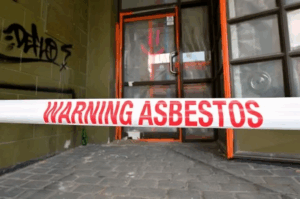
Where Asbestos Hides in Pennsylvania Buildings
Asbestos earned its widespread use through exceptional performance characteristics that made it attractive for countless applications. Heat resistance allowed it to insulate pipes, boilers, and furnaces operating at extreme temperatures. Fireproofing capability made it ideal for protecting structural steel in commercial buildings. Durability and resistance to wear made it valuable in flooring, roofing, and siding products. Resistance to chemical corrosion made it useful in gaskets, packing materials, and industrial equipment. No single substitute could match all of these properties, which is why asbestos found its way into thousands of different products.
Thermal insulation represents one of the most common and most dangerous applications. Pipe wrapping in buildings constructed before 1980 frequently contains asbestos, particularly in steam heating systems and hot water distribution systems. Boiler insulation, furnace insulation, and HVAC ductwork often incorporate asbestos materials designed to withstand high temperatures over decades of use. These materials were not designed to be removed—they were designed to remain in place for the life of the building. When maintenance workers, plumbers, or HVAC technicians cut, tear, or disturb this insulation without proper precautions, they release fibers that can remain airborne for hours and settle on surfaces throughout the building, creating risks that later require professional air duct cleaning services to help restore safer air quality.
Flooring materials present another widespread concern that affects both residential and commercial properties. Vinyl floor tiles manufactured before 1980 commonly contained asbestos fibers that added durability and fire resistance. The adhesive mastic used to install these tiles often contained asbestos as well, meaning that even if the tiles themselves test negative, the adhesive beneath them may test positive. These materials remain stable when undisturbed; a floor that has been walked on for 50 years poses no immediate hazard. But the moment someone decides to renovate and begins scraping, sanding, or breaking up old flooring, fibers release into the air. Many homeowners unknowingly create serious exposure hazards by attempting DIY floor replacement in older homes.
Ceiling materials deserve particular attention in commercial and institutional buildings. Acoustic ceiling tiles, suspended ceiling systems, and textured spray-on ceiling treatments frequently contained asbestos. Popcorn ceilings in residential properties—popular from the 1950s through the 1980s—often contained asbestos as well. Water damage to these materials, or drilling and cutting to install lighting fixtures, can release fibers into occupied spaces. Joint compounds used to finish drywall seams contained asbestos in many formulations manufactured before 1980, meaning that walls throughout older buildings may contain asbestos even if the drywall panels themselves do not.
Roofing and siding materials incorporated asbestos for durability and fire resistance. Asbestos cement shingles, asbestos cement siding, and asbestos-containing roofing felts were installed on countless Pennsylvania buildings. These materials pose minimal risk while intact, but deterioration, storm damage, or renovation work can release fibers. Contractors who remove old roofing or siding without testing create exposure hazards for themselves and for building occupants.
The South Central Pennsylvania Context
The building stock throughout South Central Pennsylvania reflects patterns common across the Commonwealth's industrial corridor. Manufacturing facilities in the Harrisburg-York-Lancaster metropolitan area relied on asbestos insulation throughout the mid-twentieth century. Power plants along the Susquehanna River used asbestos extensively in boiler rooms, turbine halls, and steam distribution systems. Commercial buildings constructed during the postwar boom incorporated asbestos fireproofing, flooring, and ceiling materials as standard practice. Residential neighborhoods built to house growing populations used asbestos in siding, roofing, insulation, and interior finishes.
The National Cancer Institute confirms that asbestos has been classified as a known human carcinogen by multiple authoritative bodies, including the U.S. Department of Health and Human Services, the EPA, and the International Agency for Research on Cancer. The NCI notes that people may be exposed to asbestos in their homes, communities, or workplaces when products containing asbestos are disturbed. Pennsylvania's industrial heritage ensures that such products exist throughout the region.
The age distribution of buildings is a significant factor in risk assessment. According to U.S. Census data, substantial portions of the housing stock in Adams, Cumberland, Dauphin, Lancaster, Lebanon, and York counties predate 1980. Commercial buildings in downtown areas of York, Lancaster, Harrisburg, and smaller communities were often constructed during eras when asbestos use was standard practice. Industrial facilities, even those that have been converted to other uses, frequently contain asbestos materials that were never removed during renovation.
Each of these structures potentially contains materials that will require professional assessment before renovation or demolition can safely proceed. A property owner planning to convert an old warehouse to residential lofts must arrange asbestos inspection before construction begins. A homeowner planning to update a 1960s kitchen must consider whether floor tiles, joint compound, or insulation might contain asbestos. A school district planning facility improvements must comply with specific regulations governing asbestos in educational buildings. The requirements vary by building type and project scope, but the underlying principle remains constant: know what you are dealing with before you disturb it.
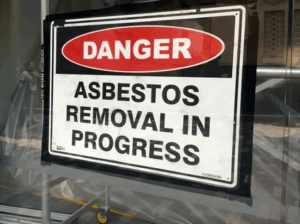
Warning Signs That Demand Professional Attention
Certain indicators suggest elevated asbestos risk in older buildings and warrant professional evaluation before any work proceeds. Visible deterioration of insulation materials—particularly around pipes, boilers, and HVAC equipment—creates immediate concerns. Fraying, crumbling, or water-damaged insulation may already be releasing fibers into building air spaces. Even if no renovation is planned, damaged asbestos-containing materials require professional assessment and possible abatement to protect building occupants.
Floor tiles showing wear patterns, cracks, or adhesive breakdown warrant professional evaluation before any repair or replacement work. Tiles that are chipping, breaking, or lifting at the edges may be releasing fibers with normal foot traffic. The same applies to textured ceilings that show damage, water staining, or degradation. In each case, the potential for fiber release increases significantly once materials begin breaking down.
Pipe and boiler insulation wrapped in fabric or paper materials deserves particular scrutiny in buildings constructed before 1980. This type of insulation frequently contains asbestos and poses significant risks when disturbed during plumbing repairs, HVAC maintenance, or renovation work. Insulation that appears gray, white, or tan and has a fibrous texture should be presumed to contain asbestos until testing proves otherwise.
Construction history provides important context for risk assessment. Buildings that have undergone multiple renovations without documented asbestos surveys may harbor undiscovered contamination. Previous work may have disturbed materials without proper precautions, spreading fibers to areas that appeared clean during visual inspection. Property owners acquiring older buildings should request documentation of any previous asbestos assessments and should arrange new testing if records are incomplete or unavailable.
Why Professional Assessment Matters
Visual inspection cannot confirm whether materials contain asbestos. Period. The fibers are microscopic. The materials that contain them look identical to materials that do not. An experienced contractor may recognize suspect materials based on age and appearance, but only laboratory analysis of properly collected samples provides definitive answers. Guessing is not an acceptable approach when the stakes include mesothelioma, lung cancer, and asbestosis.
Certified asbestos inspectors know how to collect samples safely, minimizing fiber release during the testing process. They understand which materials in a building require testing based on age, appearance, and planned disturbance. They document their findings in reports that satisfy regulatory requirements and provide property owners with clear information about what materials are present and what condition they are in.
The inspection process identifies not only whether asbestos is present but also whether it requires immediate action. Materials in good condition that will not be disturbed by planned activities can often be managed in place. An operations and maintenance program establishes procedures for monitoring these materials over time, training building staff to recognize damage, and responding appropriately if conditions change. This approach avoids unnecessary abatement costs while still protecting building occupants.
Materials that are damaged, deteriorating, or subject to planned disturbance require different responses. Repair may be appropriate for limited damage to otherwise stable materials. Encapsulation—coating materials with sealants that prevent fiber release may be appropriate in some circumstances. Removal becomes necessary when materials cannot be effectively managed in place or when planned renovation will disturb them, regardless of their current condition.
The specific requirements that apply to renovation projects—including notification obligations, contractor qualifications, and removal procedures—are detailed in [Before You Renovate: Understanding Asbestos Abatement Requirements in Pennsylvania], which provides step-by-step guidance for property owners planning construction work.
The Cost of Ignorance
Property owners who proceed with renovation work without proper asbestos assessment create risks that extend far beyond their own properties. Workers who unknowingly disturb asbestos-containing materials may develop fatal diseases decades later. Building occupants may be exposed to fibers that migrate from work areas into occupied spaces. Contamination may spread to adjacent properties through shared HVAC systems or through dust that escapes during demolition.
The financial consequences of improper handling typically dwarf the cost of proper assessment and abatement. Cleanup following the discovery of improper asbestos disturbance can cost hundreds of thousands of dollars. Projects may be shut down entirely pending remediation. Contractors may face regulatory penalties and civil liability. Property owners may find themselves personally responsible for medical expenses and damages if exposed individuals develop asbestos-related diseases.
Beyond the financial implications, property owners bear moral responsibility for the consequences of their decisions. The worker who develops mesothelioma in 2050 because of an exposure that occurred during a 2026 renovation project will suffer and die because someone decided that testing was too expensive or too time-consuming. That is a burden no responsible property owner should be willing to carry.

Partner with Kell Environmental for Asbestos Abatement
Kell Environmental serves property owners throughout York, Lancaster, Berks, Dauphin, Cumberland, Adams, Lebanon, and Chester counties with certified asbestos abatement services. Our team identifies contamination sources, assesses material conditions, and implements safe removal procedures when abatement is required. We understand the regulations that apply to various building types and project scopes, and we ensure that our clients remain compliant while protecting workers and building occupants from exposure.
Our Services Include:
- Asbestos Abatement — Complete inspection, testing, containment, removal, and disposal services for all building types
- HVAC Cleaning — Professional cleaning services with proper handling of potentially contaminated ductwork and equipment
Own an Older Building? Contact Kell Environmental to schedule a professional asbestos assessment. Hidden hazards require expert detection—and what you do not know absolutely can hurt you.
Works Cited
"Asbestos." U.S. Environmental Protection Agency, 6 Oct. 2025, www.epa.gov/asbestos. Accessed 22 Dec. 2025.
"Asbestos Exposure and Cancer Risk Fact Sheet." National Cancer Institute, National Institutes of Health, www.cancer.gov/about-cancer/causes-prevention/risk/substances/asbestos/asbestos-fact-sheet. Accessed 22 Dec. 2025.
Related Articles
- [Asbestos Still Kills 40,000 Americans Every Year: Why Pennsylvania Property Owners Must Act Now]
- [Before You Renovate: Understanding Asbestos Abatement Requirements in Pennsylvania]