

The asbestos abatement industry stands at a critical inflection point, fueled by an accelerating need for environmental remediation services across the country. Market analysts project explosive growth from $1.3 billion in 2024 to $3.4 billion by 2033, representing an 11.2% compound annual growth rate that reflects both the scale of America's asbestos problem and the mounting pressure to address it. This isn't simply market expansion—it's a national reckoning with decades of regulatory failures, corporate negligence, and a toxic legacy embedded in millions of buildings across the country. To manage this legacy safely, the demand for a certified asbestos abatement contractor has reached an all-time high.
The numbers tell a stark story. According to the World Health Organization, asbestos exposure causes approximately 107,000 deaths annually worldwide from occupational-related diseases, with the United States contributing a significant portion to that toll. The Asbestos Disease Awareness Organization reports that every 13 minutes, an American dies from an asbestos-related disease. The Environmental Protection Agency estimates that up to 107,000 buildings in the United States still contain asbestos, with roughly 20% of all public and commercial buildings harboring friable asbestos materials that pose immediate health risks.
Federal Legislation Signals Zero-Tolerance Era
September 2025 marked a watershed moment when Senator Jeff Merkley, along with Representatives Suzanne Bonamici and Don Bacon, introduced the bipartisan Alan Reinstein Ban Asbestos Now Act of 2025. This legislation represents the most comprehensive effort to date to prohibit the manufacture, processing, use, and distribution of all six recognized asbestos fibers, closing dangerous loopholes left by the EPA's 2024 rule.
The proposed ban extends beyond chrysotile asbestos to include winchite and richterite fibers, creating unprecedented regulatory coverage. This shift highlights why hiring a professional asbestos abatement company is no longer just a recommendation but a legal necessity for property owners. Linda Reinstein, President and Co-Founder of the Asbestos Disease Awareness Organization, emphasized the urgency: "Since the EPA's 1989 asbestos ban was overturned, more than one million Americans have died from entirely preventable asbestos-caused diseases."
This legislative push comes as the United States joins nearly 70 countries that have already banned asbestos. The bipartisan nature of the legislation signals a fundamental shift in how policymakers view asbestos—not as a regulatory nuisance, but as an ongoing public health emergency requiring immediate action.
Market Forces Driving Unprecedented Demand
The asbestos abatement services market is experiencing growth rates that rival emerging technology sectors. The U.S. market alone is projected to reach $1.52 billion by 2031, up from $1.00 billion in 2024, representing a 6.29% annual growth rate. This expansion stems from multiple converging factors that are fundamentally reshaping the industry landscape.
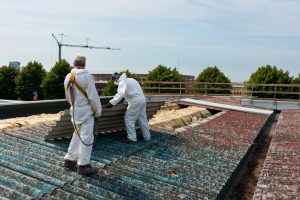
Aging infrastructure creates the largest single driver of demand. Buildings constructed before 1980 routinely contain asbestos in insulation, roofing, flooring, and other construction materials. When these structures are updated, the need for commercial asbestos abatement often surfaces unexpectedly, requiring specialized teams to handle the hazardous fibers without contaminating the rest of the facility.
Renovation and remodeling projects in older structures frequently expose asbestos-containing materials, necessitating immediate and compliant abatement services. Construction booms in growing U.S. regions compound this challenge, as developers race to repurpose aging commercial properties for modern use. Each project requires careful assessment, professional removal, and documentation to meet increasingly stringent regulatory standards.
Enforcement Actions Send Clear Message
Regulatory authorities are demonstrating unprecedented willingness to pursue enforcement actions against non-compliant firms. The Massachusetts Attorney General's Office reached settlements totaling over $400,000 with multiple entities in 2025 for asbestos-related violations. Compass Restoration Services faced $115,000 in penalties for allegedly leaving asbestos-contaminated debris exposed at three separate sites, creating repeated public exposure to airborne fibers.
Imperial Park 'n Shop, a supermarket in Auburn, Massachusetts, agreed to pay up to $300,000 in civil penalties for removing asbestos-containing floor tiles without proper handling procedures. These enforcement actions prove that skipping a certified asbestos inspector can lead to devastating financial consequences. The EPA's settlement with the Scranton, Pennsylvania, school district in May 2025 highlights regulatory focus on educational institutions. The district failed to maintain complete, updated asbestos management plans for 19 schools, demonstrating how even public entities face consequences for non-compliance. These high-profile cases serve notice that regulators view proper asbestos management as non-negotiable, regardless of an organization's size or public purpose.
Litigation Costs Reaching Historic Levels
The financial stakes in asbestos litigation have reached staggering heights. According to Mealey's Litigation Report on Asbestos, the average mesothelioma settlement now ranges between $1 million and $1.4 million, with trial verdicts averaging $5 million to $11.4 million. These figures represent substantial increases from historical averages, reflecting both greater awareness of asbestos dangers and juries' willingness to hold negligent companies accountable.
Recent verdicts demonstrate the upper limits of potential liability. A Florida jury awarded $18 million to a woman who developed peritoneal mesothelioma after secondary exposure to asbestos-contaminated brake dust.
Because of these risks, residential asbestos abatement has become a critical priority for homeowners living in vintage properties that may contain old insulation or floor tiles. The largest verdict in asbestos litigation history reached $250 million against a single defendant, setting a precedent that reverberates throughout corporate boardrooms nationwide.
California leads the nation in high-value settlements, with recent verdicts including $75 million for a plumber exposed to asbestos-containing pipes, $70 million for an HVAC technician harmed by contaminated insulation, and $60 million for a schoolteacher exposed to asbestos ceiling tiles. A September 2025 Portland jury awarded $34.2 million to a former shipyard laborer who developed mesothelioma after years of exposure to asbestos-containing gaskets.
Between 3,500 and 4,100 asbestos lawsuits are filed annually in U.S. courts, according to consulting firm KCIC. Most claims settle privately before reaching trial, but the threat of eight-figure verdicts motivates property owners and facility managers to prioritize professional abatement over reactive litigation defense.
Schools Face Mounting Compliance Pressure
Educational institutions represent a particularly vulnerable sector. The Asbestos Hazard Emergency Response Act requires public school districts and non-profit schools to inspect buildings for asbestos-containing materials, prepare management plans, and perform response actions to prevent exposure, often requiring asbestos abatement services when hazards are confirmed. Schools must conduct reinspections every three years and perform surveillance of known materials every six months.
A 2025 audit revealed that over 80% of New York City schools with known asbestos concerns had not been inspected during required timeframes, exposing thousands of students and staff to potential health risks. This systematic failure prompted increased scrutiny of school compliance nationwide and demonstrated the gap between regulatory requirements and institutional capacity to meet them.
North Carolina launched a multi-year initiative in 2023 to test more than 3,000 public schools and nearly 6,000 childcare centers for asbestos and lead, funded by $150 million in federal pandemic relief. The program prioritizes inspections in elementary schools, low-income districts, and older buildings—precisely the facilities where asbestos poses the greatest risk to vulnerable populations.
The challenge for educational institutions stems partly from resource constraints. Many school districts lack funding for professional inspections, comprehensive testing, and necessary abatement work. Federal requirements create compliance obligations without corresponding financial support, leaving local administrators to balance student safety against competing budget priorities.
Commercial Real Estate Faces Disclosure Requirements
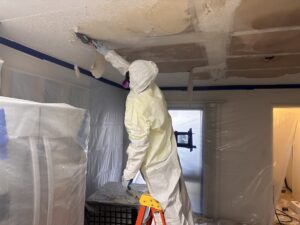
Commercial property transactions increasingly require comprehensive asbestos disclosures. Buyers, tenants, and lenders demand detailed assessments before closing deals, creating market pressure that supplements regulatory requirements. Properties with undisclosed asbestos contamination face diminished valuations and potential legal liability that can exceed remediation costs.
Professional abatement services have become essential due diligence components in real estate transactions. Buyers routinely include abatement costs in purchase negotiations, with sellers bearing responsibility for remediation or offering price concessions. This market dynamic has transformed asbestos management from a regulatory compliance issue into a core financial consideration affecting property values.
Insurance companies are taking harder stances on asbestos-related risks. Some carriers exclude asbestos coverage entirely or require comprehensive testing before issuing policies. Others charge substantial premiums for properties with known asbestos-containing materials, creating financial incentives for proactive abatement beyond regulatory mandates.
Regional Market Variations Create Opportunities
Geographic variations in asbestos prevalence and regulatory enforcement create distinct regional markets. The Northeast and Midwest, with their concentration of older industrial and commercial buildings, represent the largest markets for abatement services. These regions contain the highest density of structures built during peak asbestos use periods, from the 1950s through the 1980s.. In many of these older urban centers, homeowners must seek out a local asbestos removal company before starting even minor bathroom or kitchen renovations.
The construction boom in Sunbelt states is driving demand for abatement services as developers repurpose aging properties. Major metropolitan areas like Atlanta, Dallas, and Phoenix are experiencing rapid commercial development that frequently involves older buildings requiring asbestos assessment and removal before renovation can proceed.
West Coast markets face unique challenges from seismic retrofit requirements. California's aggressive seismic safety mandates often trigger asbestos removal obligations when buildings undergo structural reinforcement. This convergence of safety priorities creates sustained demand for specialized contractors who can coordinate abatement with earthquake retrofitting.
Economic Multiplier Effects Reshape Construction Sector
Asbestos abatement requirements create ripple effects throughout the construction industry. Project timelines extend to accommodate required testing, notification periods, and professional removal. These delays increase carrying costs for developers and create scheduling challenges for general contractors managing multiple trades.
Labor costs are rising as demand for certified abatement professionals outstrips supply. Experienced workers command premium wages, and the specialized training required limits the available workforce. This labor shortage intersects with broader construction industry challenges, compounding scheduling difficulties and cost pressures.
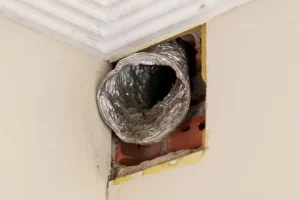
Material disposal costs continue increasing as landfills impose stricter requirements for accepting asbestos-containing waste. Transportation to approved facilities, special handling requirements, and disposal fees can represent significant portions of total project costs. Some jurisdictions face limited disposal capacity, forcing contractors to transport waste across state lines at substantial expense. During such projects, it is also common for building owners to perform commercial duct cleaning to ensure the indoor air remains free of lingering particulate matter.
Technology Integration Improving Efficiency
Advanced testing methodologies are reducing assessment timelines and improving accuracy. Polarized light microscopy and transmission electron microscopy provide definitive identification of asbestos fibers, eliminating ambiguity that previously delayed projects. Rapid turnaround testing services deliver results within 24-48 hours, accelerating project planning and execution.
HEPA filtration systems have become industry standard, with contractors investing in high-capacity units that maintain negative air pressure in containment areas. These systems prevent fiber migration and protect both workers and building occupants. Advanced monitoring equipment provides real-time verification of containment integrity, adding safety layers that weren't economically feasible in previous decades.
Documentation software streamlines regulatory compliance by automating report generation, photo documentation, and chain-of-custody tracking. Cloud-based platforms allow real-time collaboration between contractors, property owners, and regulatory agencies, reducing paperwork burdens and improving transparency.
Insurance Market Responds to Rising Risks
The insurance industry has recognized asbestos as a long-tail liability requiring specialized underwriting approaches. Environmental impairment liability policies now routinely include asbestos coverage provisions, with carriers demanding comprehensive site assessments before binding coverage. This due diligence protects insurers from unexpected claims and incentivizes proactive risk management by policyholders.
Asbestos trust funds, established by bankrupt manufacturers, currently contain over $30 billion earmarked for victim compensation. These funds process claims separately from traditional litigation, providing streamlined compensation mechanisms for individuals harmed by specific products or exposures. Average trust fund payouts for mesothelioma patients range between $300,000 and $400,000, depending on exposure history and fund-specific criteria.
Professional liability insurance for abatement contractors has become increasingly expensive as claim frequency and severity rise. Carriers scrutinize contractor qualifications, safety records, and quality control procedures before offering coverage. This insurance market pressure creates natural quality screening, as only the most professional operators can obtain affordable coverage.
Future Outlook Suggests Sustained Growth
The convergence of regulatory enforcement, litigation pressures, and market forces suggests sustained industry growth through at least 2033. Demographic factors support this projection—buildings constructed during peak asbestos use periods are reaching ages where renovation becomes necessary, triggering abatement requirements across millions of properties.
Public awareness of asbestos dangers continues to increase, driven by high-profile litigation and media coverage of health impacts. This awareness translates into political pressure for stronger regulations and more aggressive enforcement. The bipartisan nature of current legislative efforts suggests that regulatory expansion will continue regardless of political shifts. Often, these projects involve more than just asbestos; many property owners hire a mold remediation specialist at the same time to ensure a fully clean environmental slate.
International developments may accelerate domestic action. As more countries implement comprehensive asbestos bans and share data on health outcomes, evidence supporting aggressive regulatory approaches becomes increasingly difficult to dispute. The United States' status as one of the few developed nations without a complete ban creates diplomatic and public health pressure for stronger action.

Professional Standards Elevating Industry Reputation
The professionalization of asbestos abatement services is transforming industry perception from necessary evil to specialized professional service. Certification requirements, continuing education mandates, and professional associations are creating career pathways that attract higher-quality workers than previous generations.
Safety performance metrics demonstrate improvement across the industry. Recordable incident rates have declined as contractors implement comprehensive safety programs, invest in proper equipment, and prioritize worker protection. This safety culture shift benefits workers, reduces insurance costs, and improves industry reputation among clients and regulators.
Quality standards continue evolving, with leading contractors implementing ISO certification, third-party auditing, and continuous improvement programs that exceed regulatory minimums. These quality investments differentiate professional operators from marginal competitors and justify premium pricing that clients increasingly recognize as worthwhile.
Addressing America's Asbestos Crisis Requires Expertise
The asbestos abatement industry's explosive growth reflects America's belated recognition of a public health crisis that has claimed millions of lives globally. The $3.4 billion market projection by 2033 represents not opportunity but obligation—the necessary investment to protect current and future generations from preventable disease and death.
Professional asbestos abatement services stand at the intersection of public health, regulatory compliance, and construction industry evolution. The stakes extend far beyond financial considerations to encompass worker safety, building occupant protection, and environmental stewardship. As regulatory frameworks tighten and litigation costs escalate, the value of professional expertise becomes increasingly apparent.
Property owners, facility managers, and construction professionals must recognize that asbestos management represents a permanent component of building operations and renovation planning. The question is no longer whether to address asbestos but how quickly and professionally to do so. The industry's growth trajectory suggests that market participants have begun answering that question decisively.
The Occupational Safety and Health Administration establishes critical workplace safety standards for asbestos exposure, including permissible exposure limits, respiratory protection requirements, and medical surveillance protocols that shape how professionals approach hazardous material management across all industries.
For organizations navigating complex asbestos challenges, Kell Environmental provides the specialized knowledge and proven methodologies necessary to address these hazards safely and efficiently. With comprehensive experience in regulatory compliance, health protection, and risk management, professional asbestos abatement services ensure your project meets all requirements and protects everyone involved. When facing potential asbestos issues, contact our experienced team to discuss your specific situation and develop an effective remediation strategy.
Works Cited
Asbestos Disease Awareness Organization. "The Asbestos Disease Awareness Organization Applauds the Bicameral Introduction of the Alan Reinstein Ban Asbestos Now Act of 2025." ADAO, 16 Sept. 2025, www.asbestosdiseaseawareness.org/newsroom/blogs/2025-arban-introduction-release/. Accessed 16 Oct. 2025.
Asbestos Market Overview, Merger, Acquisitions, Drivers, Restraints, and Industry Forecast By 2033. EIN Presswire, 12 Mar. 2025, www.einpresswire.com/article/793107788/asbestos-market-overview-merger-acquisitions-drivers-restraints-and-industry-forecast-by-2033. Accessed 16 Oct. 2025.
"Asbestos in Schools: What's Changed by 2025?" U.S. Mesothelioma Law, 9 June 2025, www.usmesotheliomalaw.com/blog/asbestos-exposure-in-schools/. Accessed 16 Oct. 2025.
Helbock, Melinda J. "Top Asbestos and Mesothelioma Lawsuit Settlement Amounts in California." Melinda J. Helbock, A.P.C., 8 July 2025, www.helbocklaw.com/top-asbestos-and-mesothelioma-settlement-amounts-in-california/. Accessed 16 Oct. 2025.
"Massachusetts Settles Asbestos Claims With Abatement Firm, Supermarket." Insurance Journal, 12 Sept. 2025, www.insurancejournal.com/news/east/2025/09/12/838885.htm. Accessed 16 Oct. 2025.
"Mesothelioma & Asbestos Claims Payout Timelines | 2025." Mesothelioma Hope, 10 Sept. 2025, www.mesotheliomahope.com/legal/settlements/payout-timeline/. Accessed 16 Oct. 2025.
"Mesothelioma Settlements | Our Past Asbestos Payouts." Simmons Hanly Conroy, 1 Oct. 2025, www.simmonsfirm.com/mesothelioma/settlements/. Accessed 16 Oct. 2025.
Merkley, Jeff. "Merkley, Bonamici, Bacon Partner on Bipartisan Legislation to Ban Toxic Asbestos, Save Lives." U.S. Senator Jeff Merkley, Sept. 2025, www.merkley.senate.gov/merkley-bonamici-bacon-partner-on-bipartisan-legislation-to-ban-toxic-asbestos-save-lives/. Accessed 16 Oct. 2025.
The Insight Partners. "US Asbestos Abatement Services Market Size by 2031." The Insight Partners, www.theinsightpartners.com/reports/us-asbestos-abatement-services-market. Accessed 16 Oct. 2025.
United States, Environmental Protection Agency. "EPA Reaches Settlement with the Scranton, Pennsylvania, School District for Alleged Asbestos-Related Violations." US EPA, 6 May 2025, www.epa.gov/newsreleases/epa-reaches-settlement-scranton-pennsylvania-school-district-alleged-asbestos-related. Accessed 16 Oct. 2025.